

Born of the Plateau: The Sacred Origins of the Waikato River
Thursday 09 April 2026
If you have ever driven the Desert Road, you have probably crossed a small, unassuming bridge marked “Waikato Stream.” It does not look like the birthplace of anything remarkable. And yet, it is here, high in Aotearoa’s volcanic plateau, that the mighty Waikato River begins its long journey to the sea.
Today, the river flows west to the Tasman. But 26,000 years ago it was heading in a completely different direction, out towards the Hauraki Gulf. Layers of volcanic debris forced it to change course, and by the time tangata whenua arrived in Aotearoa, the river had already settled into the path we know today.
 A River of Food, Forests and Waka
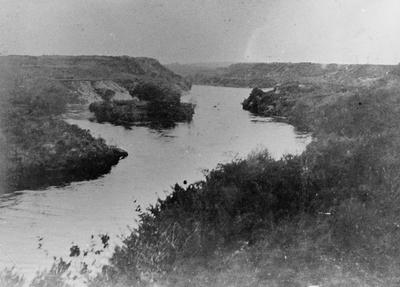
When Maaori arrived in their waka and discovered the Waikato, it quickly became central to life. The North Island was once thick with dense forest and wide swamps. Travelling overland was slow and difficult. The river, by contrast, was a natural highway. It was fast, direct, and efficient. It connected communities. It carried people, goods, and stories. The river was also a source of great nourishment.
Its waters teemed with tuna, also known as eels, whitebait, freshwater crayfish, mullet, and waterfowl. Wild vegetables grew nearby. Along the sandbanks were beds of pipi. The surrounding forests of tootaara, matai, and kahikatea provided timber for building and carving. The people of the Tainui waka felled trees to craft more waka, strengthening trade and communication along the river. They cultivated kumara, taro, and gourds in the fertile soils close to its banks, and planted trees for future food supplies. The Waikato was not simply part of the landscape. It was the backbone of daily life.
More Than a River
But to describe the Waikato as a resource misses the point.
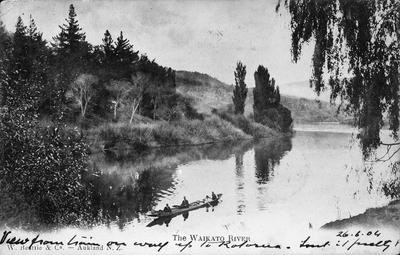
For Waikato Tainui, the river is a tupuna, an ancestor. It is a taonga, a treasure. It carries mauri, life force. It is understood as a living entity with its own personality and identity. The river protects the people, and in turn, the people protect the river.
It was a place of healing and ceremony. Newborn babies were baptised in its waters. The deceased were cleansed there before burial. When someone was unwell, physically or spiritually, there was a simple instruction: “Haere ki te wai.” Go to the water.
The river sustained not only bodies, but wairua, the spirit.
Some have compared its significance to that of the Ganges for Hindus, a sacred waterway intertwined with identity, faith, and continuity. For Waikato Tainui, the river is inseparable from who they are.
 When the River Suffers
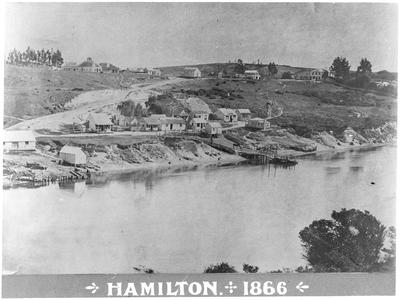
There is an old understanding that if the wairua of the river is violated, the river itself becomes sick. When the river is sick, the people feel it too.
Changes in water quality. The loss of tuna and other species. Golden sand replaced by mud. These are not just environmental shifts. They are signs of imbalance and evidence that the mauri of the river has been harmed.
To stand today on that small Desert Road bridge is to stand at the beginning of something ancient and alive. The Waikato River is not simply the longest river in Aotearoa. It is a story of geology, survival, identity, and responsibility.
Next time you cross that quiet bridge, pause for a moment. Beneath you flows far more than water.